
Five reasons brands should stop treating winter sports as one sponsorship opportunity

Sports sponsorship or TV advertising? Why complementing both is the best marketing strategy
Unpacking the ROI of The Sphere vs. Sports Sponsorship
Q&A: Würth’s winter sports sponsorship and the value of brand involvement in sport
ICON League Sponsorship: Why it's becoming key for reaching Gen Z
IIHF Ice Hockey World Championship sponsorship: Global reach and visibility for brands
The world's attention is on winter sport for the next few weeks and, as ever, they will bring a short, intense spike of attention to the sector. Unlike its summer counterpart, winter sports tend to be seen as one sponsorship proposition for brands. There is a major temptation to think “winter sports” is a single sponsorship play.
It isn’t, and there is a real opportunity being missed by brands who can’t understand the nuance between each discipline.
Winter sports offer a broad portfolio to engage a wide demographic for many budget sizes. Different disciplines attract different audiences and markets, deliver different types of visibility, and reward different brand behaviours. For brands willing to be selective rather than loud, that variety is the advantage.
Here are five reasons to stop lumping winter sports together, and why that’s good news for sponsors.
1. Winter sports offer choice, not compromise
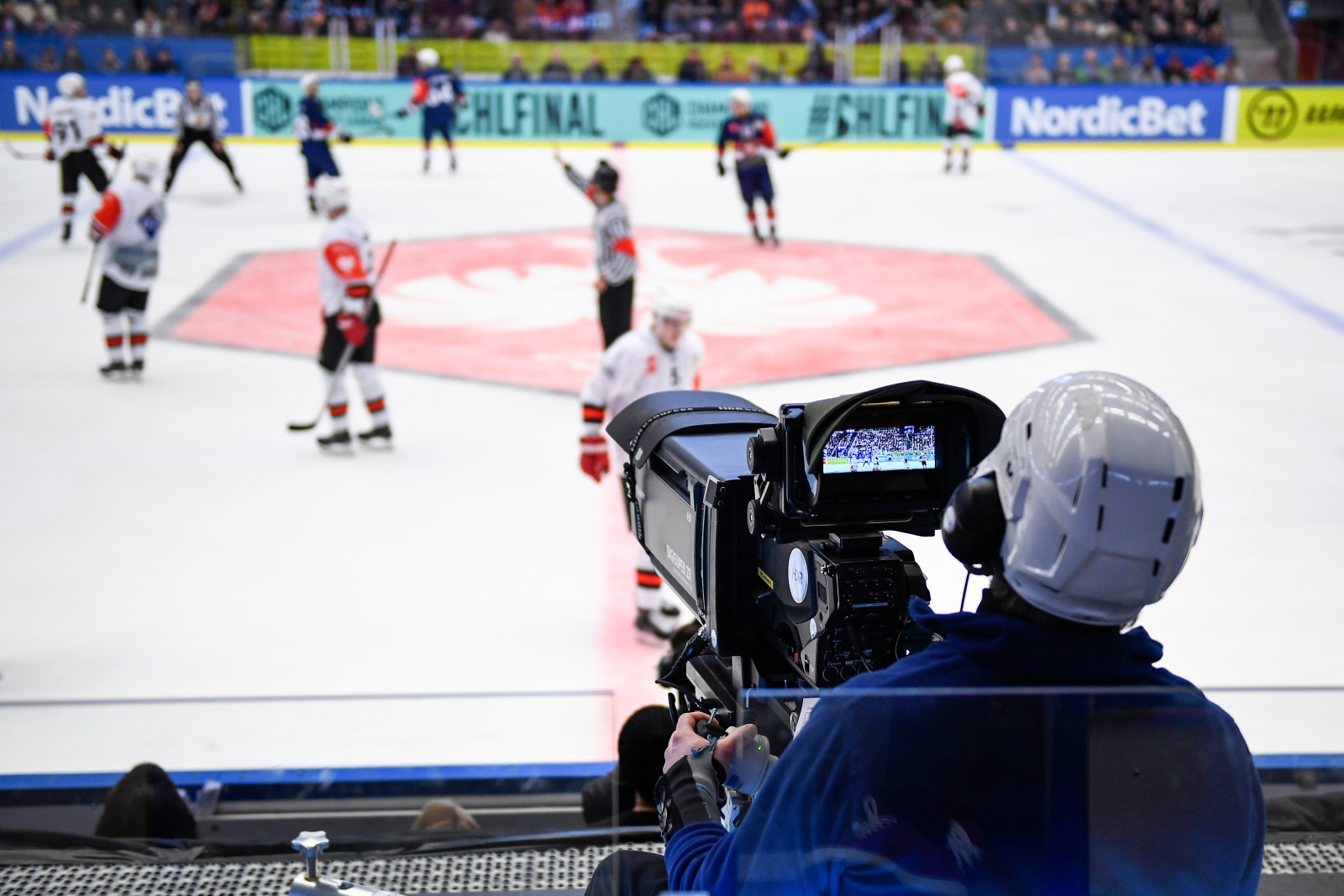
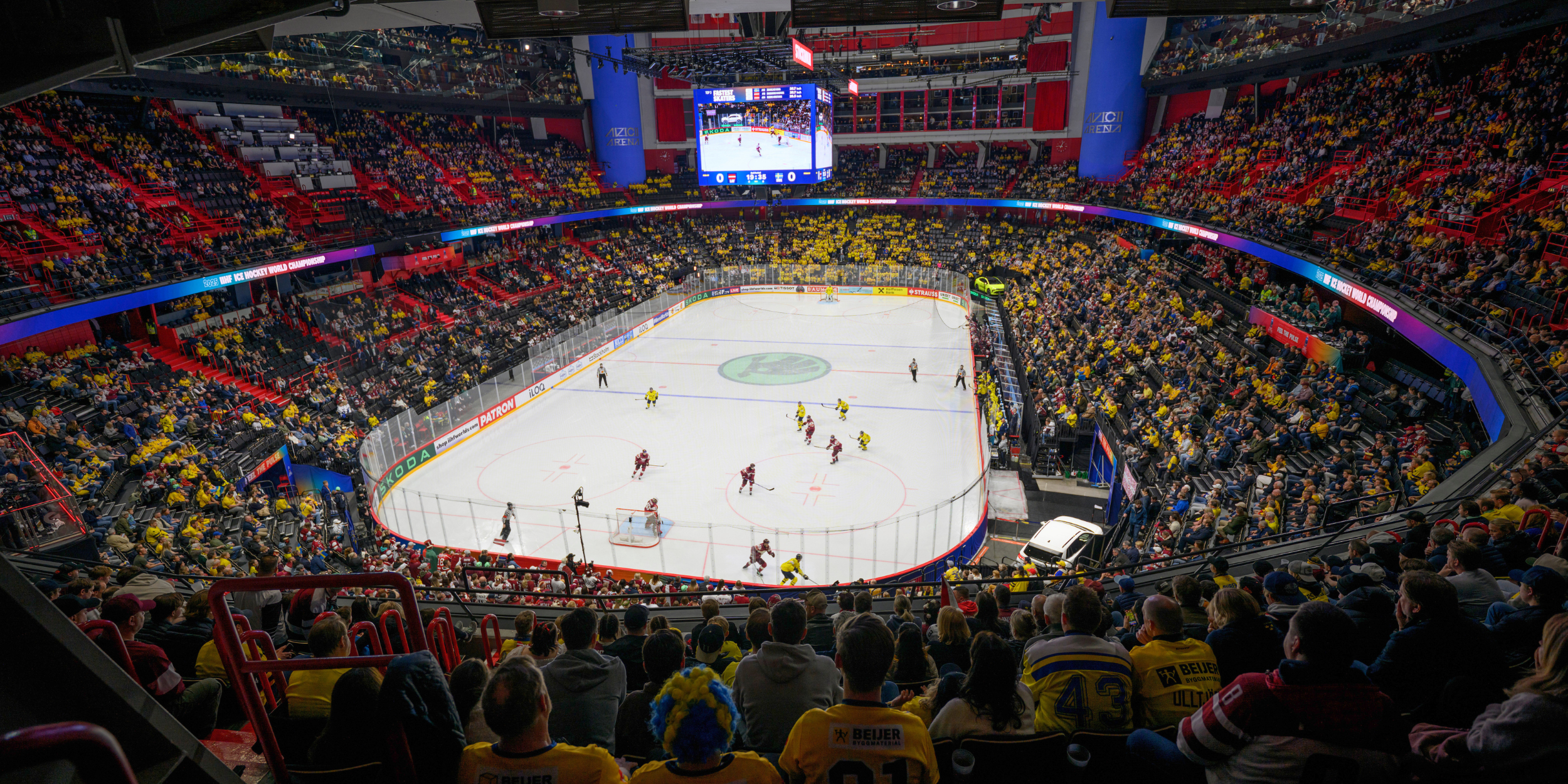
Alpine skiing, ice hockey, curling, biathlon and Nordic disciplines do not feel the same because they are not the same. Ice hockey delivers mass-market scale, with the 2025 IIHF Ice Hockey World Championship reaching 195 million cumulative live TV viewers, while curling consistently over-indexes in educated, premium export markets such as Switzerland, Sweden, Canada, Japan and China, making audience quality a strategic choice rather than a trade-off. For brands exploring a more targeted approach, a focused curling sponsorship platform offers international reach combined with audience quality that many larger properties struggle to match.
Some are fast, visceral and built for broadcast drama. Others are slower, more tactical and quietly premium. Some lean heavily into nature and endurance; others into precision and craft.
That range gives brands room to align with values rather than force a fit. A performance-driven consumer brand may thrive in high-speed disciplines. A heritage or premium brand may find a better home in sports built on mastery and consistency.
This is why long-running partnerships in winter sport tend to last. Skoda’s decades-long sponsorship with the IIHF, for example, shows that longevity in winter sports is the norm where alignment and value are proven, not an exception driven by sentiment.
2. Global reach without global sameness
Winter sports travel well, but they don’t travel blindly:
- Ice hockey delivers huge cumulative audiences and deep national passion, celebrating the aforementioned 195m cumulative live TV audience
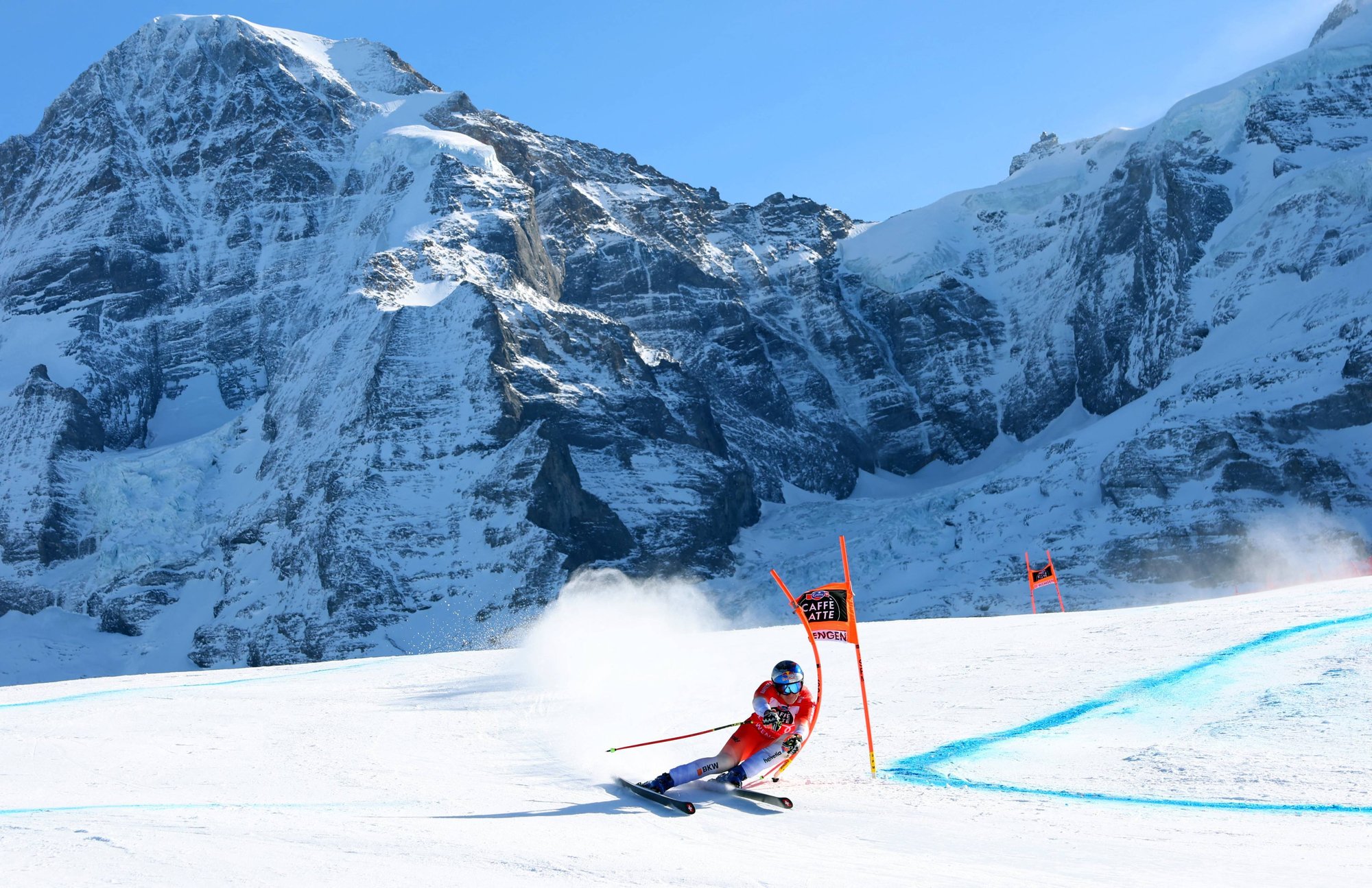
- The 2024–25 FIS Alpine Ski World Cup season reached an estimated 2.27 billion total broadcast viewers worldwide (with 365 million live and 1.9 billion non-live viewers), rivalling year-round seasonal properties rather than one-off events
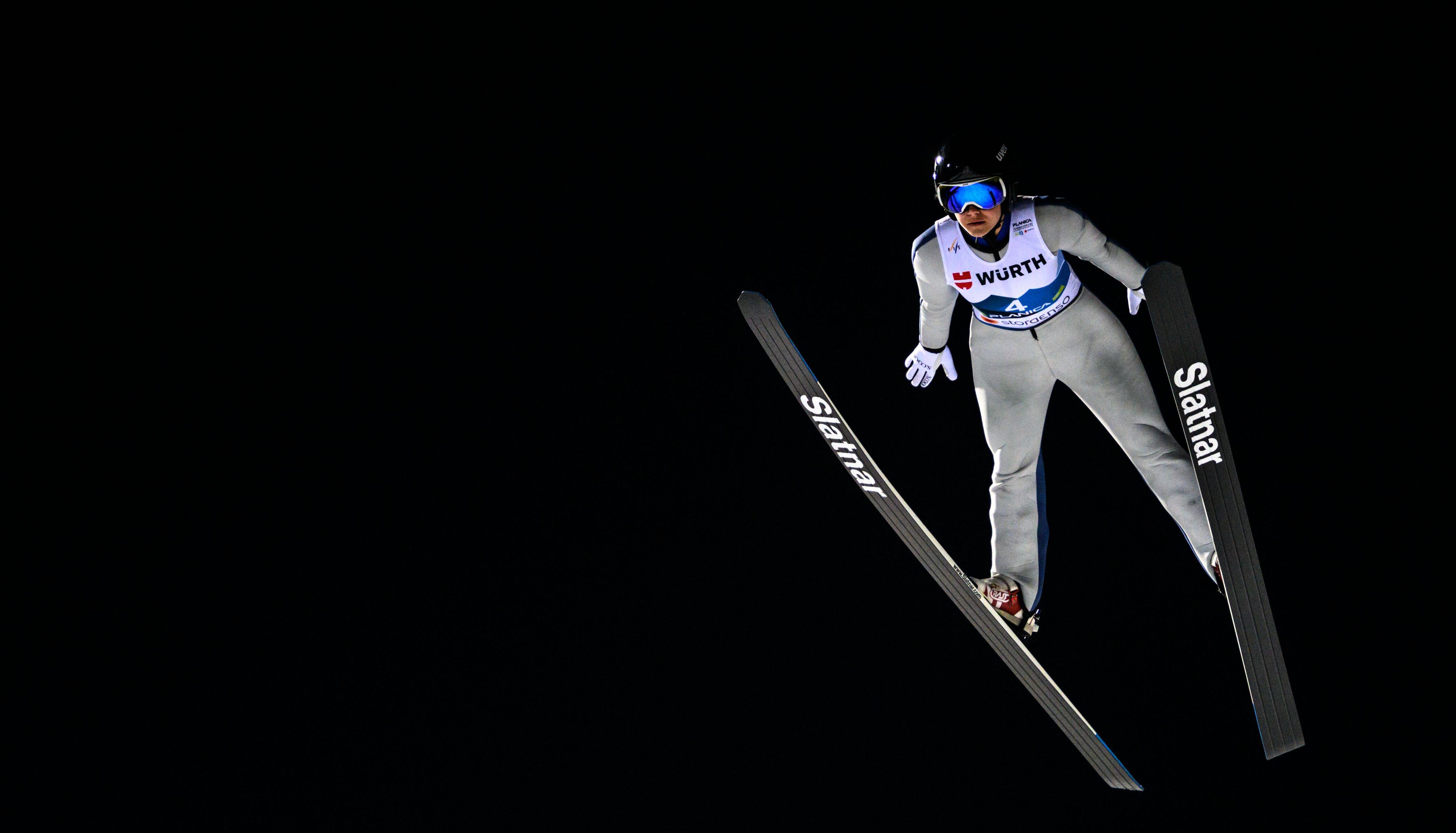
- The FIS Nordic World Ski Championships 2025 achieved 90% television market share in Norway and more than 60 million viewers across Germany, Austria and Switzerland, alongside 43.6 million digital reach across Nordic disciplines
- Elsewhere, the first three stages of the 2025-26 IBU World Cup season was watched by more than 114m people worldwide. This included standout results in Germany, where broadcasts races on public broadcasters ARD and ZDF averaged 2.76 million viewers, with an average market share of 26.3%.
- The Le Gruyère AOP European Curling Championships 2025 reached 49 million cumulative viewers with 2073 hours of TV coverage during the event, while 114 million people watched the World Women’s Curling Championship 2024. This gives strong visibility in top-performing markets including China, Canada, Japan, Sweden, and Switzerland. Understanding the underlying curling audience profile is key to evaluating how this visibility translates into commercial impact.
That mix allows brands to build international visibility without losing local relevance. It’s global scale with nuance, not spray-and-pray exposure.
3. Visibility that’s built into the environment
Winter sports are visually clean. Snow, ice and open landscapes create natural contrast that brands benefit from. Logos sit in calmer frames. Camera shots are longer. The environment works with sponsors rather than fighting them.
That matters when exposure is measured properly. In winter sports, longer camera dwell times, fewer competing brands in-frame, and high-contrast snow and ice environments consistently improve logo visibility and recall compared to more cluttered pitch-based sports.
Skechers’ multi-discipline winter sports presence is a good example of how cumulative exposure works when it’s spread across events, formats and markets rather than tied to one property. Across luge, alpine and Nordic competitions, this repeated exposure helped drive a 30% lift in brand consideration and 56% higher advertising perception among winter sports fans, underlining the value of frequency over one-off scale.
4. Winter sports reward brands that show up properly
The strongest winter sports sponsorships move beyond branding, though, integrating production, content, on-site experience and hospitality into a single system.
From behind-the-scenes storytelling in ice hockey to sustainability-led event design in Nordic skiing, winter sports give brands room to be involved, not just present. That involvement is what turns visibility into meaning and meaning into value.
This is also where the ROI of sports sponsorship becomes clearer. When sponsorship is supported by content, production quality and activation, measurement moves beyond logo counts towards real indicators of impact.
For example, Stora Enso’s partnership in Nordic skiing went well beyond logo placement, bringing sustainability into core event infrastructure by replacing single-use plastics with renewable materials and showcasing those solutions across multiple FIS Nordic World Championships.
That activation not only strengthened brand relevance among eco-minded audiences, but also delivered repeat B2B engagement opportunities and measurable media value as sustainability became part of the story, not just the sidelines.
5. Longevity beats hype, every time
Quadrennial events are powerful because they are rare. Winter sports are powerful because they are repeatable.
The partnerships that deliver the strongest long-term returns are built over seasons, not cycles. Consistency builds trust. Repetition builds memory. Evolution keeps the partnership relevant.
This is why many of the most effective winter sports sponsorships span decades rather than over two weeks.
For brands planning beyond a single campaign, winter sports offer something increasingly rare: platforms that reward patience and commitment.
A broader sponsorship opportunity
The smarter play for brands is to see highlights of winter sport like now as a spotlight on a much wider landscape.
Winter sports give brands:
- Multiple entry points
- Different audience profiles
- Flexible activation models
- Proven long-term ROI potential
There is much more to sports sponsorship than the above for those weighing their options, and choosing the right property, measuring success and avoiding common pitfalls are all key to success. The lesson from winter sports is simple: the best sponsorships start with fit, not scale.
Thinking of winter sports as “one thing” makes the decision easier. It also makes it worse.
Brands that take the time to choose will find winter offers far more than a moment. It offers a system that works.