

How mass participation sports are powering the next rightsholders growth strategy

Why mass participation sports marketing is a strategic growth opportunity for brands
Five reasons brands should stop treating winter sports as one sponsorship opportunity
The commercial world of mass participation and fitness sports
The ultimate sports sponsorship guide
Esports event production: Why it’s not TV and what rightsholders need to get right
Elite sport remains the backbone of the global sports industry. Scale, broadcast reach and premium partnerships continue to define the value of major properties, so much so that a report values the industry at USD $417 bn. But the way people engage with sport is changing – and with it, the growth logic for sports rightsholders. This shift is redefining the modern rightsholders growth strategy, moving value creation beyond elite competition alone and a watch role for fans.
Mass participation sports are developing as a genuine proposition alongside elite competition for sports rightsholders. Instead of being a distraction they can act as a strategic extension to the main event. Participation broadens how, when and why people connect with sport, allowing relevance to extend beyond a limited number of competition days. Crucially, it also brings clear commercial implications that sit at the heart of an effective rightsholders growth strategy: year‑round monetisation opportunities, diversified revenue streams beyond media rights, stronger first‑party data capture and improved audience retention driven by repeat participation and community engagement.
Extending the rhythm of sport beyond competition days
Elite calendars are built around peaks, but participation formats create continuity.
Mass participation sports extend the rhythm of sport well beyond competition moments. Training journeys, local activations and repeat formats activate cities, communities and digital channels throughout the year, keeping sport present in people’s lives between headline events. For rightsholders, this continuity strengthens relevance and reduces reliance on episodic attention. When integrated correctly, participation becomes a scalable rightsholders growth strategy rather than a standalone activation.
Major city marathons offer a clear illustration of this dynamic. By connecting tens of thousands of runners directly to elite road racing, marathon events expand the sport’s footprint far beyond race day. They create year‑round touchpoints for cities, partners and communities, reinforcing engagement even when no elite competition is taking place.
Rumours around the London Marathon’s plans to expand the event across a whole weekend is the latest example to showcase this. If it does go ahead, it would see an elite race on each day – which itself already draws broad attention from the running community due to the athletes racing – alongside amateur runners for longer. Its draw remains huge with 40 percent of TV viewers watching it when broadcast, but it has spent years expanding to become a running festival that engulfs the city.
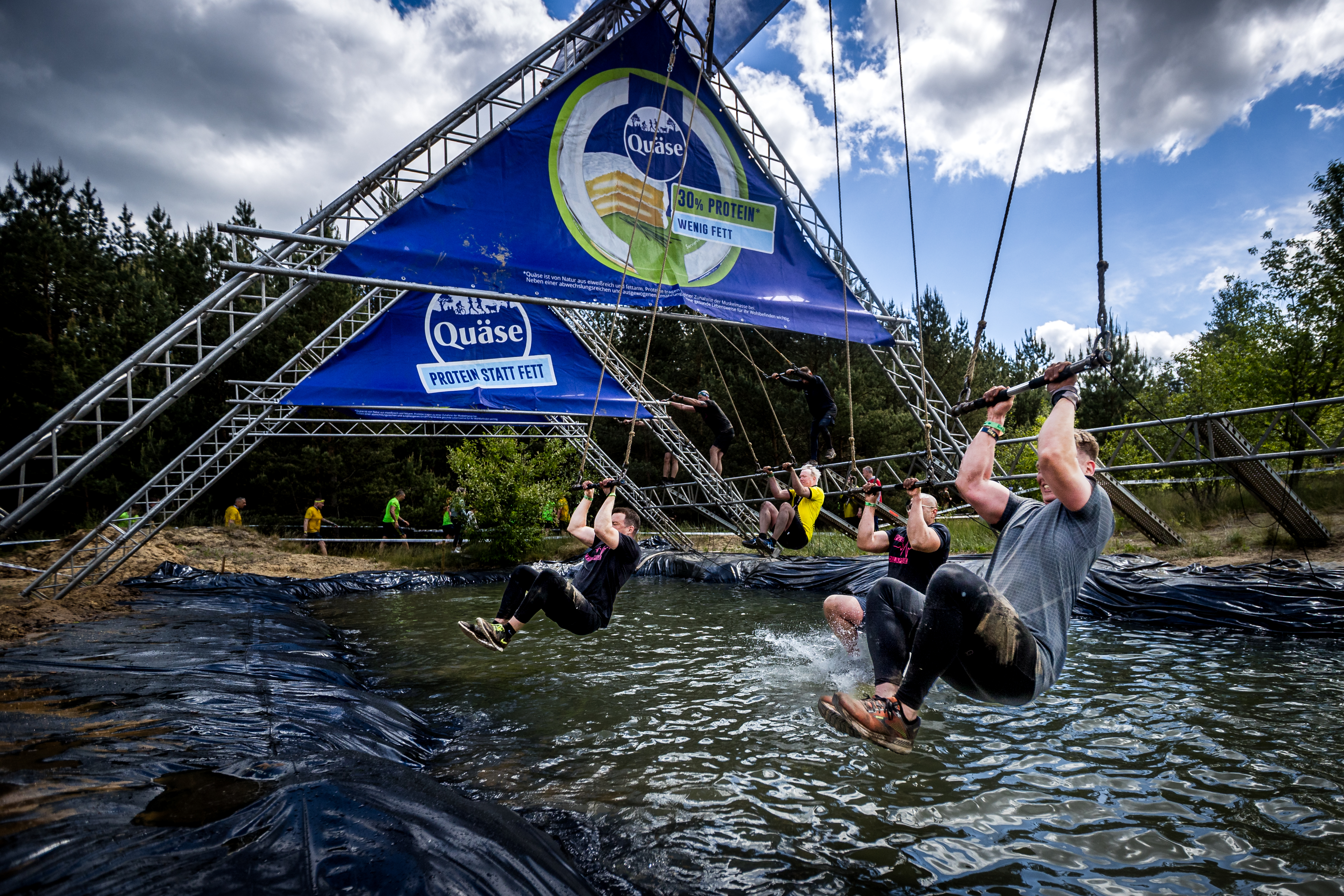
This logic is visible at scale across Infront’s Active Lifestyle business. In 2025, it spanned more than 170 events worldwide and welcomed over 1.5 million participants, demonstrating how participation formats can grow alongside elite sport rather than compete with it.
Participation as a strategic portfolio extension
Participation delivers the greatest value as part of a long‑term rightsholders growth strategy when it is integrated into a broader rights portfolio, rather than treated as a standalone initiative, allowing for revenue diversification in sport
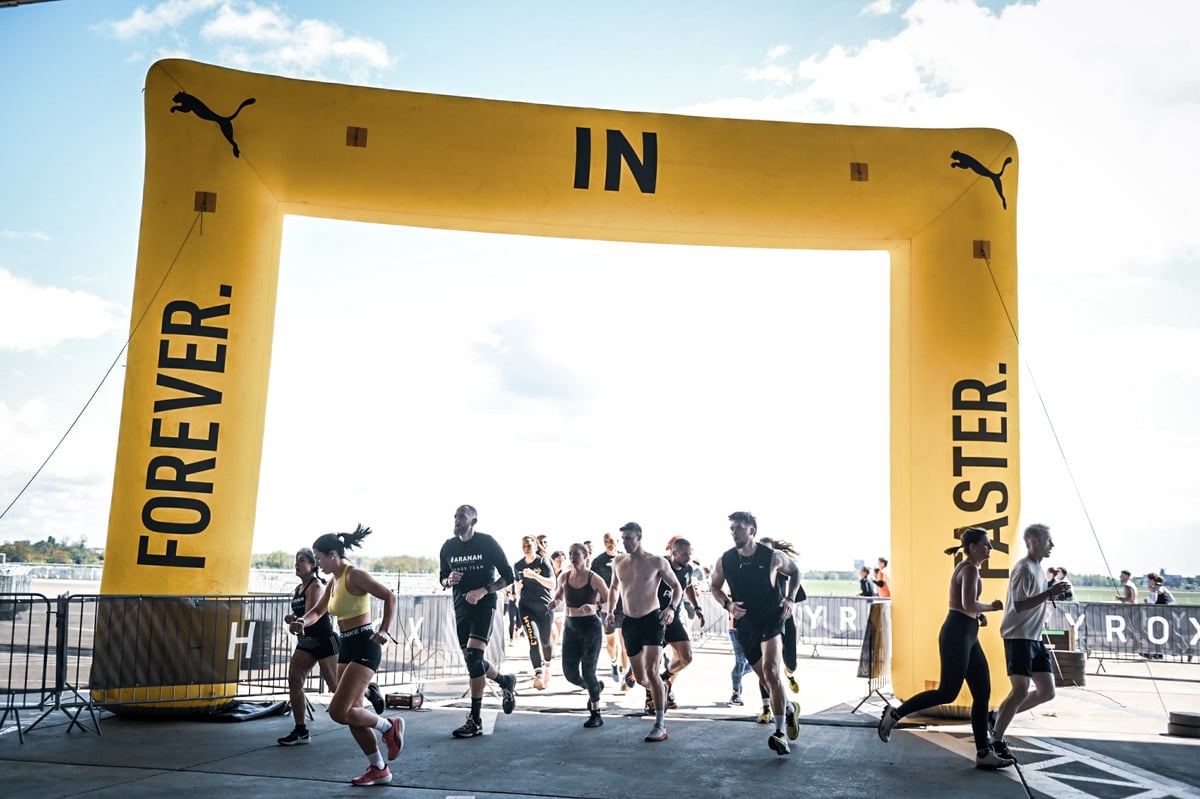
HYROX is a strong example of this approach. While the race itself remains the focal moment, the format has evolved into a broader participation platform. Gyms, coaches, training plans and communities are embedded into the model, allowing engagement to begin long before race day and continue long after it. For sports rightsholders, this creates continuity, repeat behaviour and a more resilient engagement cycle that is less dependent on single calendar moments.
Another strong illustration of participation-led growth is Paris Saint‑Germain launching its global PSG Running programme. Built around the return of the club’s flagship We Run Paris 10K, international run clubs and a digital Strava community, the initiative invites fans to actively live the brand year‑round rather than simply consume it from the stands or screens. By formalising running as a branded participation ecosystem, PSG transforms one of the world’s most accessible sports into a daily touchpoint with its community, unlocking repeat engagement, first‑party data and new partnership opportunities while reinforcing emotional connection to the club. Crucially, the programme complements PSG’s elite football product rather than competing with it, positioning participation as a strategic extension of the rights portfolio and a new layer of long‑term value creation.
Finally, cycling offers one of the clearest examples of how elite sport and mass participation can be integrated within a single rights ecosystem. Through L’Étape du Tour and the global Étape Series, the Tour de France invites amateur cyclists to ride the same routes and mountain stages as the professional peloton, extending a three‑week broadcast event into a year‑round participation-led growth platform. In parallel, the UCI Gran Fondo World Series and Gravel World Series allow amateur riders worldwide to qualify for official UCI World Championships in age‑group categories, directly linking everyday participation to the sport’s elite structures. Together, these models show how participation formats can scale globally, reinforce prestige and drive sustained growth beyond competition days, without diluting elite performance.
Scaling participation without diluting the product
Series‑based participation formats allow rightsholders to scale proven concepts while maintaining consistency.
The formats in the Infront portfolio demonstrate how repeatable formats can be rolled out across cities and markets without reinventing the core product. This repeatability improves operational efficiency, strengthens partner relationships looking for authentic access to target audiences and builds familiarity among participants. Over time, it lowers acquisition costs and turns one‑off entrants into long‑term community members.
Broader participation behaviour supports this model. Strava data shows that more than half of users track multiple activities, with community‑driven engagement accelerating as new clubs nearly quadrupled in 2025 to reach one million globally. Eventrac data further highlights that growth is strongest among participants aged 25 to 39, with Gen Z the fastest‑growing segment and near gender parity among younger age groups.
Aligning sport with societal expectations
Beyond commercial considerations, participation formats increasingly shape how sport is perceived.
Health, wellbeing, inclusion and community impact have become central to societal expectations of sport. Mass participation formats make these values tangible. They lower barriers to entry, invite diverse audiences to take part and visibly connect sport with positive social outcomes.
Biathlon4All, developed by the International Biathlon Union (IBU), illustrates how this logic can be applied within traditionally elite‑focused sports. By offering accessible ways to experience biathlon, the programme extends the sport beyond spectatorship, supporting grassroots engagement, education and future talent pathways while reinforcing long‑term relevance.
A strategic growth layer for modern rightsholders
Mass participation sports are not a replacement for elite competitions. They are a defining rightsholders growth strategy for long‑term relevance and resilience. Elite sport delivers prestige, global moments and broadcast scale. Participation delivers continuity, proximity and community. Together, they create more resilient portfolios that reflect how people want to experience sport today.
For sports rightsholders seeking to diversify revenues, extend relevance beyond competition days and align their properties with societal expectations, mass participation sports have become a defining pillar of sustainable growth. They also strengthen revenue diversification and data ownership by shifting value creation from single moments to repeat participation, direct relationships and first‑party insights built over time.

_1-1.png)