


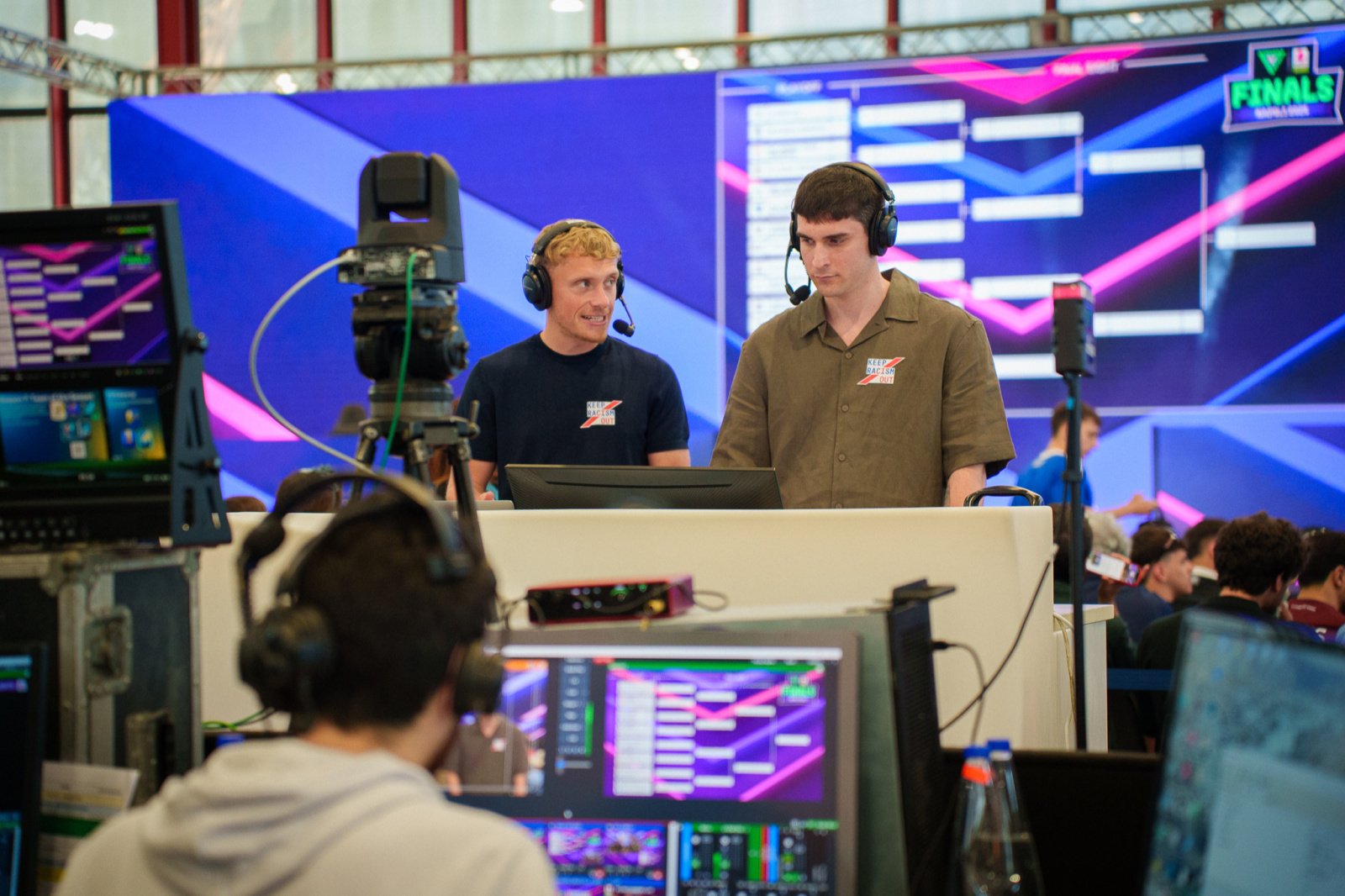
Esports tournament production can, at first glance, look familiar. There are matches, formats, talent and live coverage.
But the similarities are surface-level. Underneath, esports operates to a different set of fan expectations, shaping everything from how content is produced to how it’s distributed and consumed. Esports event production goes beyond traditional broadcast, combining competition design, digital-first distribution and content ecosystems into a single system
For rightsholders, that shift is often underestimated. Esports is still sometimes approached as an extension of the core product. It is seen as something to activate, experiment with, or test around the edges. In reality, it behaves more like a standalone product that needs its own logic to work.
Understanding that distinction is the difference between building an esports event production that connects and one that quietly disappears.
Digital-first production: How esports tournament production differs from broadcast
For all the discussion around digital transformation, traditional sport is still largely built around broadcast logic. Even when distributed online, production often follows a linear model, structured around fixed runtimes, familiar formats and a clear separation between live coverage and everything around it.
Esports tournament production starts somewhere else entirely, often beginning with the platform where fans sit most. Platforms like Twitch and YouTube shape how the product is built. Pacing is faster, transitions are looser, and the tone is more conversational. Audiences expect something that feels native to the environment they’re already in.
That has practical implications. Production setups need to be more flexible. Workflows need to adapt quickly. Talent needs to operate closer to the audience rather than at a distance from it. What matters isn’t scale for its own sake, but responsiveness and fit.
This is where many first attempts at esports production fall short. Replicating traditional broadcast structures, even at a high level, can feel out of place or even dated in a digital-first environment. The result is something that looks polished, but never quite feels right.
The competitions that gain traction tend to do the opposite. They prioritise consistency of delivery, evolve incrementally, and build production models that can move across environments without losing their identity.
Designing for digital from the outset is a requirement as well as a stylistic choice.
Esports event production requires an ecosystem, not a single channel
In traditional sport, distribution is relatively controlled. Rights deals define where content lives, which platforms carry it, and how audiences access it. The model is clear, even if it’s becoming more fragmented over time.
Esports event production operates in a more open system.
The official broadcast is only one part of the overall reach. Around it sits a wider ecosystem which can include:
- Creator watch parties
- Short-form clips
- Social-first content
- Platform-specific activations.
Audiences don’t engage in a single place. They move between streams, highlights and commentary, often within the same playday.
That creates both a challenge and an opportunity.
Without a clear approach, this fragmentation can dilute the product. But when it’s structured properly and every element understands its role and value, it becomes a multiplier. Creator-led streams can extend the tone of the competition into new communities. Short-form content can drive discovery beyond the core audience. Platform partnerships can introduce the competition to different types of viewers without replacing its digital-first identity.
The key is understanding that distribution is built into the production from the start and not a decision made further upstream.
Successful competitions birthed in sport simulation games like EA FC tend to follow this model. They begin with core digital platforms, then expand selectively, introducing additional channels, formats and voices without losing consistency. Over time, that layered approach creates reach that goes beyond what a single broadcast channel can deliver.
Why structure matters in esports tournament production
Real-life sport benefits from something esports cannot lean on yet: Tradition.
Leagues, calendars and rivalries have been built over decades. Fans understand how competitions work without needing explanation. Even casual viewers know what’s at stake.
Esports tournaments don’t start with that advantage, so need to create it.
That begins with structure. Clear formats including open qualifiers, playoffs and finals give audiences something to follow. A defined season creates rhythm whilst progression creates stakes. Without those elements, even well-produced events struggle to hold attention beyond the moment.
This structure also needs to be repeatable.
The esports competitions that establish themselves tend to evolve over multiple seasons, refining formats rather than reinventing them. They add layers around the core competition such as additional content, live moments, community touchpoints. All while keeping the central structure intact to ensure familiarity over time.
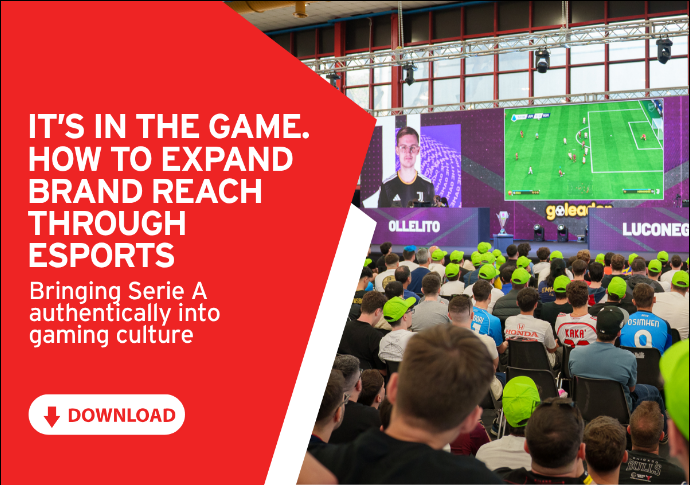
There is also a growing emphasis on bringing the product into physical spaces. Live events, roadshows and appearances at broader gaming and cultural festivals play a role in connecting digital audiences with real-world experiences. These moments reinforce that product, turning passive viewers into active participants.
Without that combination esports risks becoming a series of isolated events instead of something audiences return to.
For rightsholders, esports offers a different way of thinking about how sport is created, distributed and experienced for a new generation.
It requires production models built for digital environments, distribution strategies designed as ecosystems, and competition formats that audiences can follow over time.
Approached in that way, esports tournament production can become a natural extension of an existing sports ecosystem, complementing the core product while reaching audiences who engage with sport differently.
Approached as a simple adaptation of traditional sport it can become something that looks familiar, but doesn’t quite connect.
/Images-Logos/15072025_Blog_Hospitality.jpg)