

Former Manchester United manager Alex Ferguson famously proved that you could, in fact, win at sport with kids. He took his young side to Premier League glory in the 1995/96 season, proving to many that it was not all about experience but banking partly on the future.
Sport often finds itself in a similar position, keen to invest in the “knowns” and deal with the future when it is closer. Whilst the industry as a whole may lay claim to finding ways to reach the future fan, few have translated this into repeatable, long-term products.
As traditional sports face the challenge of attracting and retaining younger audiences, specifically Gen Z, sports rights holders need to search for new ways to connect with this demographic. With cord-cutting and the rise of digital content, traditional media channels are no longer the only way to reach younger viewers.
This shift has accelerated the need for rights holders to build native digital products rather than relying solely on traditional extensions, to capture the attention of younger audiences who may not be as engaged with traditional sports. As a result, esports has emerged as an important platform for sports rights holders to reach a new generation of fans, who are avid consumers of online gaming and digital content.
By embracing esports, sports rights holders can build complementary engagement channels alongside live sport and explore new models for engaging younger audiences, both online and offline.
Launching a new esports series
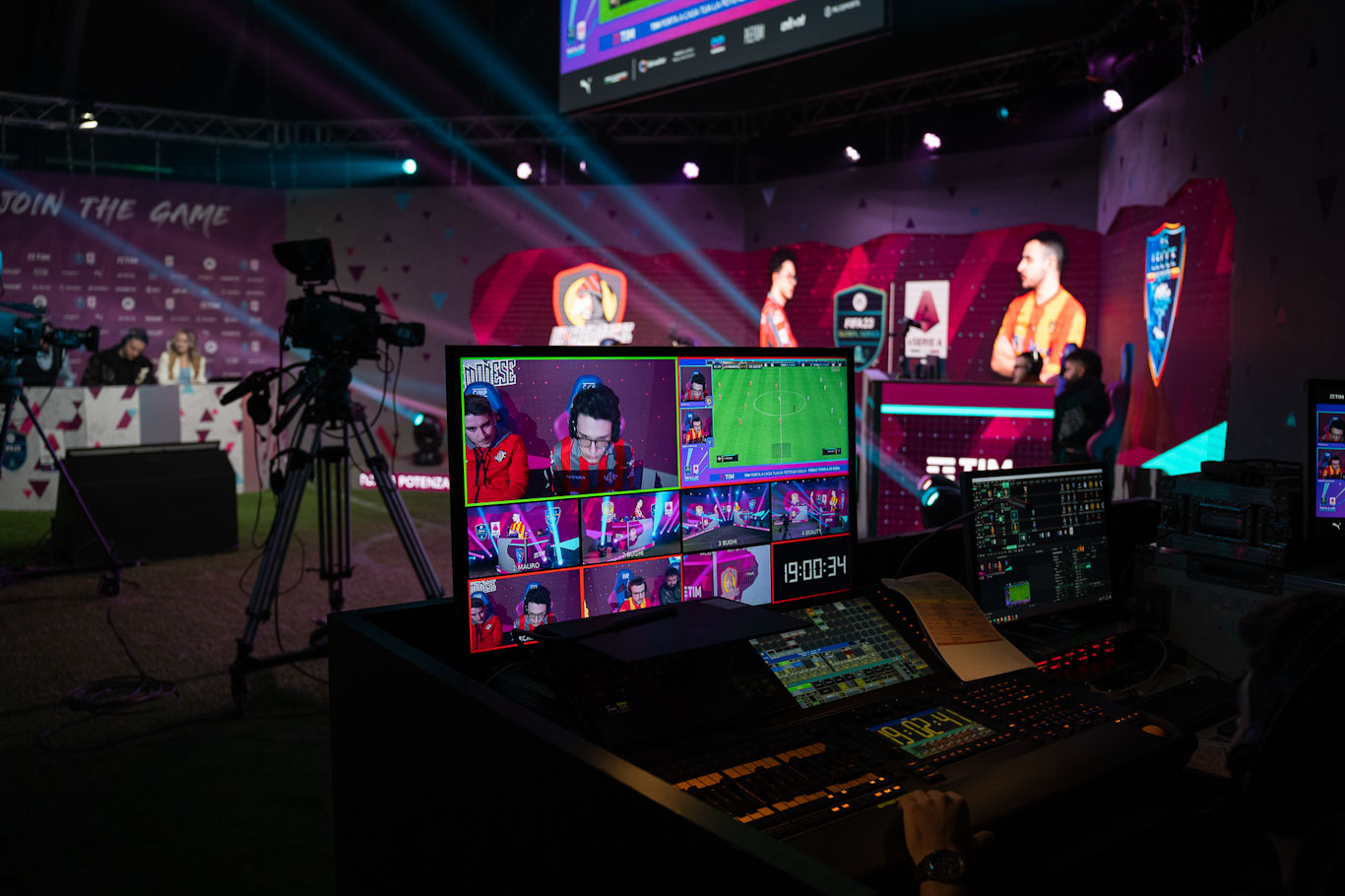
The eSerie A is a complex and exciting esports tournament, with a format similar to a traditional football league season. It starts with online qualifiers, followed by a regular season, playoffs and a final eight. The tournament features 16 clubs and 43 pro players across multiple phases.
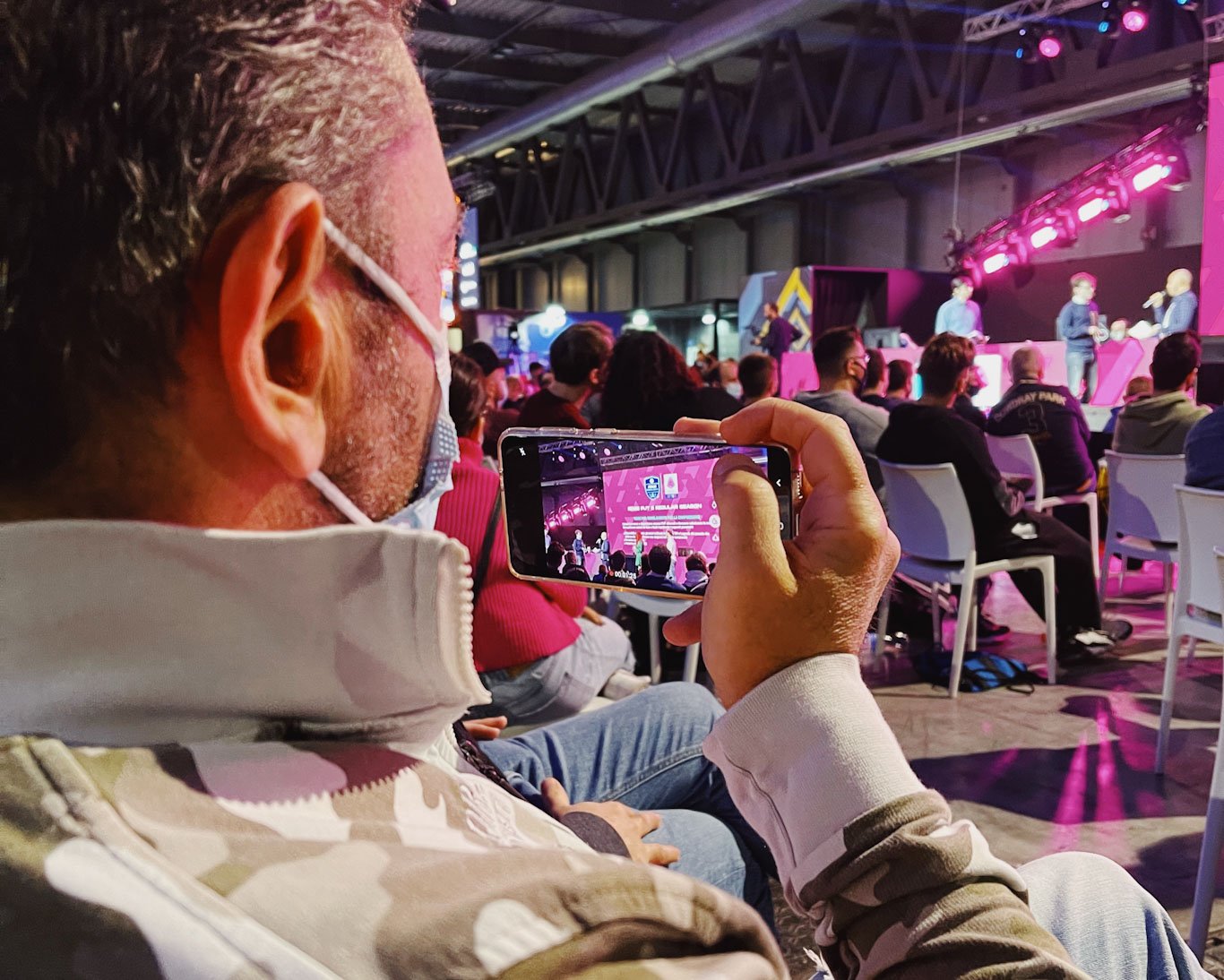
“In my opinion, there will always be a hybrid system because it is the best way to give everyone the opportunity to participate," says Stefano Deantoni, Marketing Director of Infront Italy. "Many players come from the general public and are 'drafted' to enter professional clubs, so the online part is essential to give anyone the opportunity to participate. Even if we did a lot of local events, we would never touch all the people we can reach online."
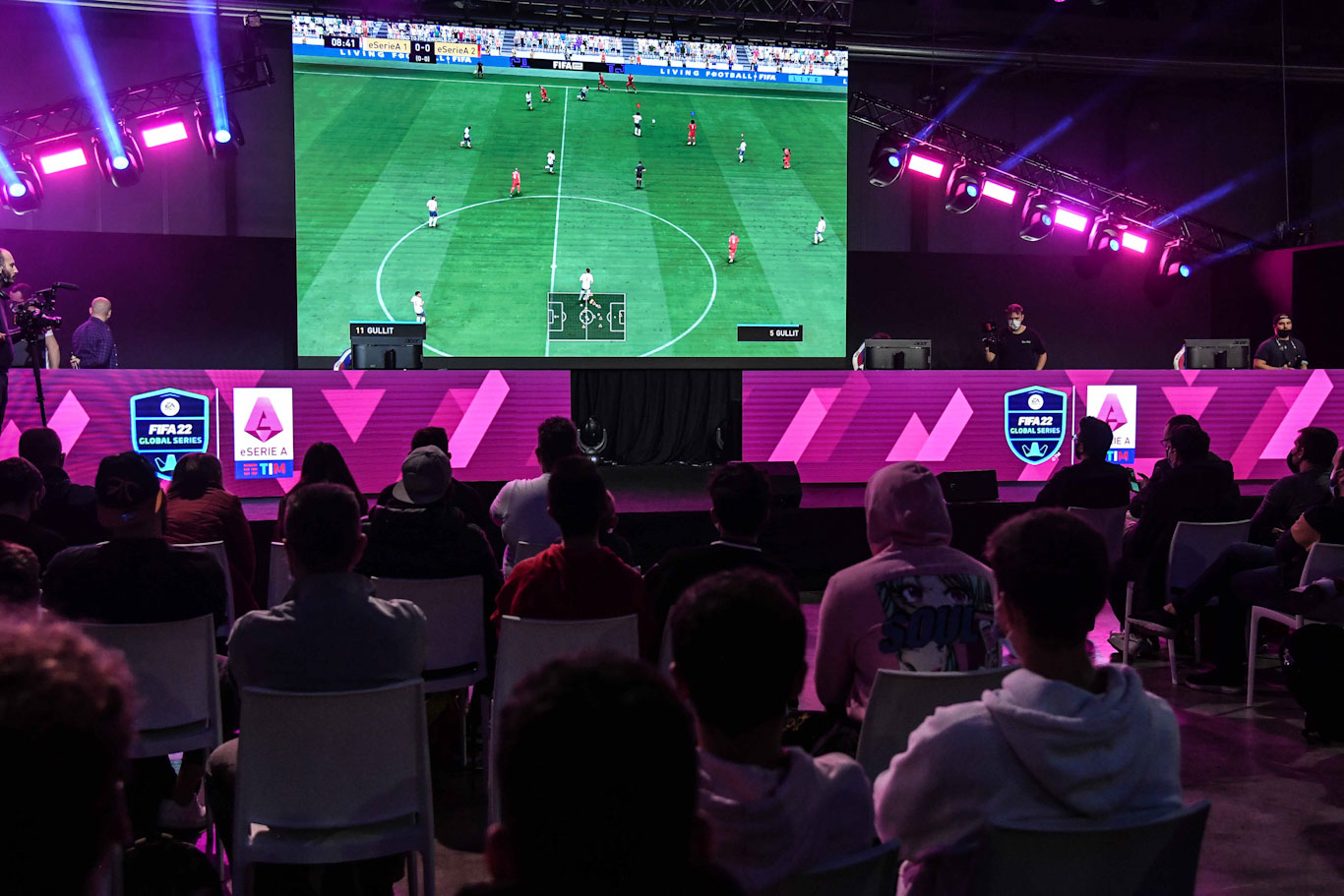
Despite the importance of the online component, the model now combines digital-first distribution with live public events. The eSerie A has been able to involve the clubs more, especially those with their own stadium.
"We need to unite the people who play with the people who watch, because it is live that passion comes out and that the strongest emotions for competitive video games are born," adds Deantoni.
Combining online and in-person experience in esports
Over successive seasons, the eSerie A witnessed significant growth in terms of audiences. The tournament organisers put in place many activities to stimulate audience participation, including the organisation of a roadshow in different parts of the country and various events at the Dacia Arena in Udine, Milan Games Week, in Rome at the TIM headquarters and at the Allianz Stadium in Turin.
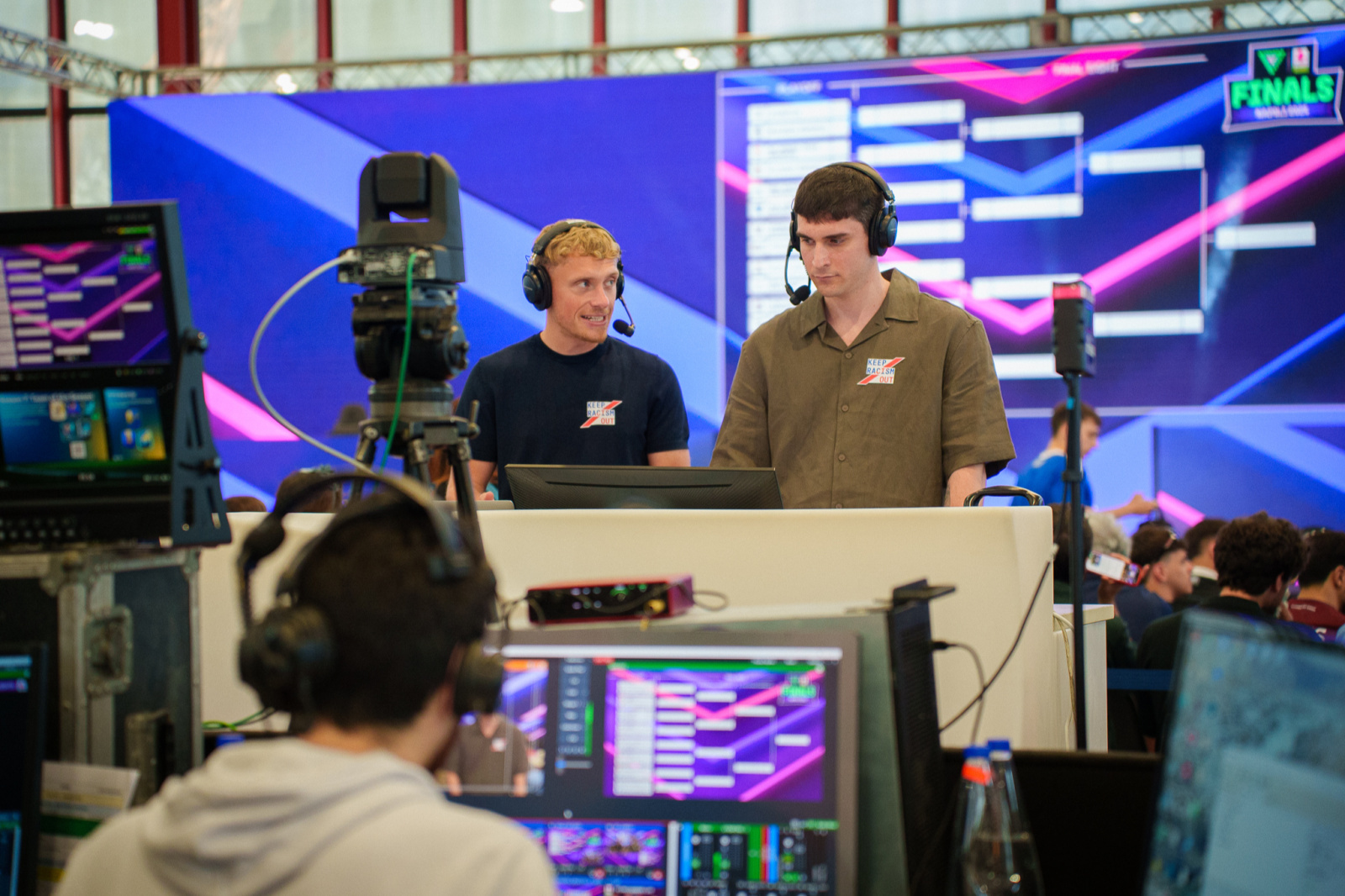
More recently, it has seen large-scale activations at places such as Napoli Comicon, where the competition was positioned at the centre of a major gaming and pop culture event.
Thanks to this, the tournament organisers were able to bring the competition closer to fans who were used to watching across Twitch, YouTube and other digital platforms.
Adapting to the needs of esports audiences
“One of the most delicate aspects of this project was understanding how to enter an ecosystem such as gaming which in itself is a very specific niche, with its own references and its own grammar,” says Andrea Mariani. “Landing in this context with an institution like Lega Serie A could be risky and the perception of the arrival of a giant like Lega could be seen as an invasion. This is why we have always tried to work for but above all with the existing community, respecting the rules, the language and, in general, the sense of belonging of the community.”
The eSerie A championship is not just about playing the game, but about building an ecosystem that includes players, creators, clubs and platforms and reaching out to the audience on their own terms. The draft system has been a strategic move to involve the community and give space to the fan base, potential future players, and reinforce the movement's great value.
"We want to talk to people who dream of getting to this competition," says Deantoni. "For me, getting to do events in different regions was a big step."
Thanks to this approach, Lega Serie A established a co-operative relationship with the clubs, players and all people involved. They have been welcomed in the community in a positive way, and everyone has experienced the arrival of Lega Serie A in the world of gaming as an opportunity. This relationship has allowed them to collaborate with all stakeholders, some of whom arrived as players and are now part of the roster of official Serie A talents.
What eSerie A has achieved so far
The eSerie A has established itself as a credible esports competition linked to an institutional football brand
Recent editions have delivered millions of views across social platforms, including 17 million Instagram views and 5.5 million TikTok views during the Finals, alongside significant engagement through influencer watch parties and live streaming.
The eSerie A championship now operates as a standalone competition with a clear role in connecting Serie A with younger, platform-first audiences. With its hybrid approach to live and online events, the championship has created a new world of possibilities, uniting people who play with those who watch, and offering a new way to experience the passion of competitive video games.